
The Wonderful Benefits of Expressive Arts Therapy
Can’t always find the right words in therapy? You don’t have to. Expressive arts therapy is a powerful therapeutic technique that allows for healing through creative expression. Whether you are navigating grief, dealing with anxiety, managing depression, or facing other mental health challenges, an expressive arts therapist can help you on your journey. Our latest post, featuring insights from Contessa Brown, LMHC, explores what expressive arts therapy is, its unique therapeutic benefits, and what it looks like in practice.
Art in Therapy
Many people have heard of art therapy, which refers to the incorporation of visual art-making into mental health treatment. Expressive arts therapy goes a step further and allows clients to work in many artistic modalities rather than focusing on just one. An expressive arts therapist like Contessa Brown, LMHC, receives specialized training to ensure they can foster safe creative expression across various artistic disciplines.
This approach to therapy can benefit people facing a wide variety of psychological and emotional challenges, including trauma, depression, anxiety, and chronic physical illnesses. It is useful for both children and adults, and it may particularly appeal to people who find it difficult to communicate verbally or to identify and express their emotions through words alone.
How Art Therapy Helps
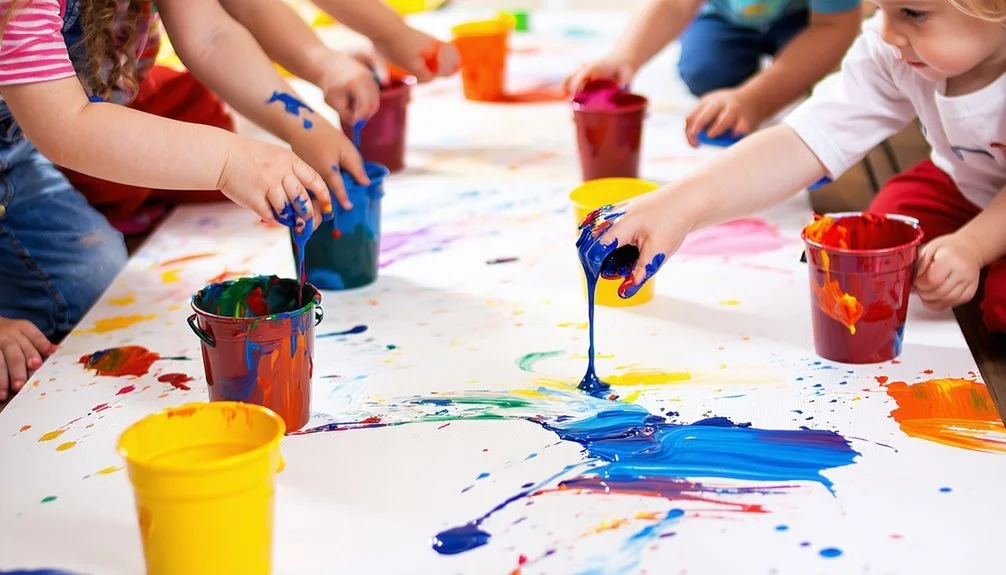
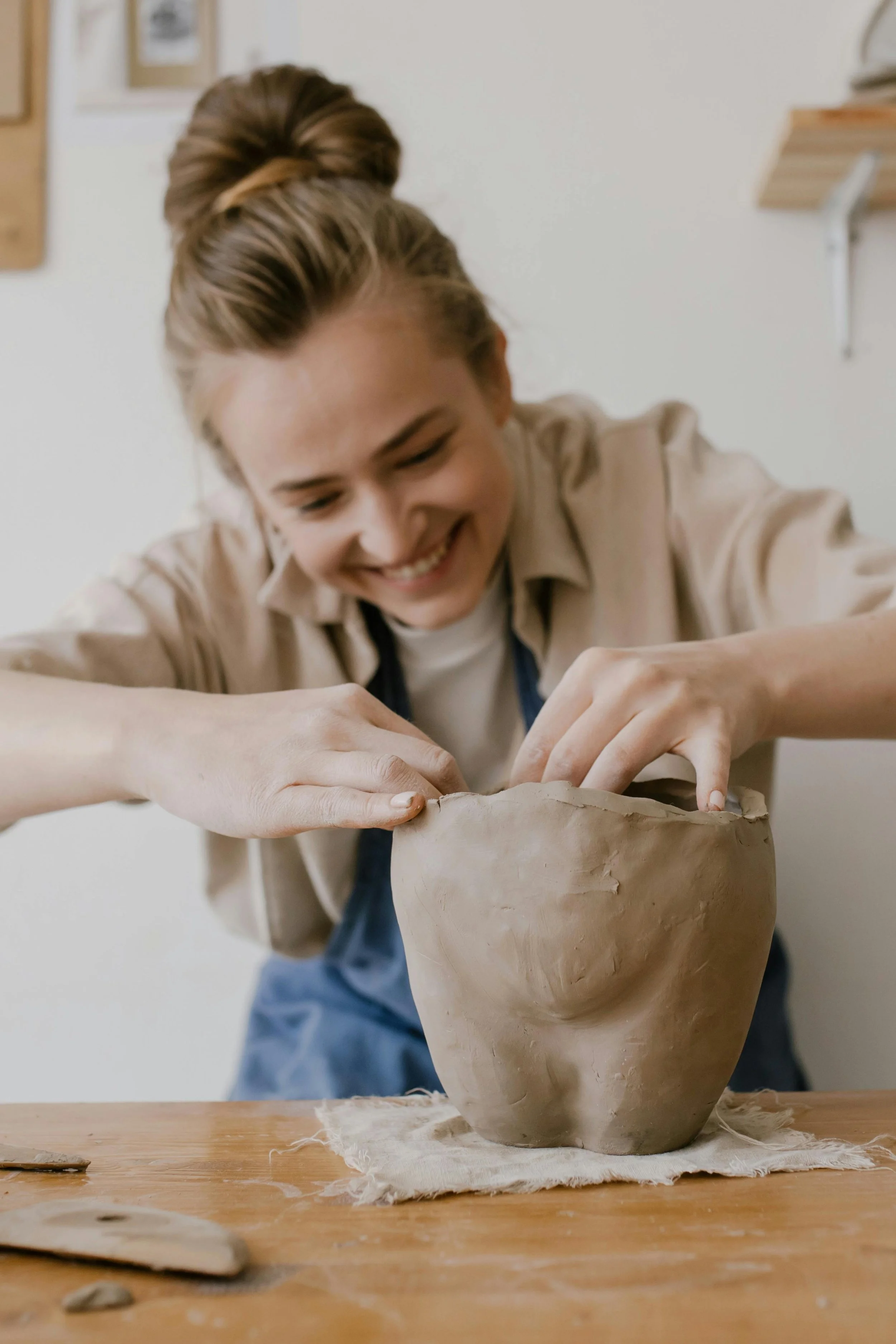
One of the unique therapeutic benefits of expressive arts is its potential to help people communicate beyond putting emotions or experiences into words. As Contessa Brown, LMHC, explains, “Expressive art gives us the opportunity to communicate what words cannot. It allows for expression without boundaries or judgment across many forms, including dance and movement, singing, spoken word poetry, drawing, and molding clay.”
Artistic expression also impacts the body and mind in many other ways. Creating art can help calm nervous system arousal, promoting relaxation among those grappling with anxiety or trauma. This sense of relaxation also arises because art requires a focus on the present. Furthermore, the act of creation can help people experience a sense of achievement and empowerment that promotes healing. Art is also a strong tool for increasing self-awareness and emotional regulation.
Art Therapy for Trauma
Some studies find that expressive arts therapy is useful for trauma, since traumatic memories are often stored nonverbally in the mind. In these cases, working with an expressive arts therapist may promote change, development, and acceptance. For instance, it may assist with accessing and integrating traumatic memories, communicating stories, and imagining a new identity. In addition, many people find the use of creativity and the discovery of beauty to be powerful tools for healing from trauma.
Art Therapy for Grief
For most people, experiencing bereavement is a complex process of reconstructing meaning. In a therapeutic setting, individuals may benefit from processing the event of the loss, their relationship with their loved one, and life changes that result from the loss. Utilizing art therapy for grief can help people explore and express feelings of loss. When people engage with their creativity, they can begin to link painful memories to pleasant, grounding emotions involved in creation, resulting in new understanding and the ability to better deal with both types of emotions.
Art Therapy for Depression
Art therapy can also assist people with depression. Negative thinking patterns are very common in depression, and the self-exploration fostered by art can help build a more compassionate self-image by challenging these patterns and reducing self-criticism. In addition, depression can make verbal self-expression feel difficult; this is exactly where therapy with art can step in to bridge the gap.
What a Session Looks Like
Contessa Brown, LMHC, was inspired by expressive arts because of its transformative potential: “I own a business called Cafe S.O.U.L., which turns 17 this August. We have hosted many different types of events, including open mics, where I utilized various artistic mediums and provided notebooks to give people the opportunity to express themselves. This led me to discover that Salve Regina University offered an expressive arts program, which I was able to include as a concentration for my Clinical Master's program. I was floored by the incredible healing that comes from the use of expressive arts.”
In practice, expressive arts are often integrated with other therapeutic modalities, such as mind-body therapy or cognitive behavioral therapy (CBT). This integration of multiple therapy methods allows clients to use their artistic process as a platform for further exploration in therapy.
With Contessa, “In a session, the client is first invited to engage in guided imagery to notice what is happening somatically and emotionally. The client then expresses those sensations through a medium such as drawing. From that expression, a revelation often emerges, and the client is encouraged to write about the messages their body and the expressive image reveal.”
A common concern that people have about engaging with an expressive arts therapist is that they lack a specific artistic skill or talent. However, expressive arts therapy is never about the quality of the final product. Instead, “expressive art is entirely about the process of expression and processing.”
Conclusion
Expressive arts therapy is a therapeutic modality that allows clients to work with diverse artistic forms. One of its greatest strengths is its ability to allow for nonverbal expression, making it useful for people experiencing challenges such as trauma, grief, and depression. In a session with Dyad Psychology’s Contessa Brown, LMHC, clients are guided to explore somatic and emotional sensations via an artistic medium before reflecting on what their artistic creation reveals.
Frequently Asked Questions
1. Do I need to be good at art to try expressive art therapy for adults?
Absolutely not! Expressive arts therapy focuses entirely on the process of expression and processing, not on the final product. In addition, expressive arts allows for a wide variety of artistic forms, allowing you to work with a modality you feel most comfortable in.
2. How does expressive arts therapy differ from creating art at home?
While artistic creation is powerful in any setting, expressive arts therapy involves a relationship with a trained therapist who can help ensure your safety and growth. The therapist helps you explore your experience and process what emerges in your artistic creation in a structured environment that often incorporates other therapeutic modalities.
3. How does art therapy differ from traditional talk therapy?
Some experiences, such as grief or trauma, can be difficult to articulate. Art therapy allows you to work with heavy emotions without needing to find the right words, and can assist with processing and meaning-making.