
More Than Marching: How Group Therapy Combines Art and Activism
We live in challenging times. Often, the weight of everyday life creates a burden that requires processing beyond normal self-care. One of the best ways to maintain mental well-being while remaining socially engaged is through art. In our latest blog post, we discuss how Casey Gallagher, LMHC, explores the intersection of creativity, disability, and activism in her new therapy group: Creating for the Resistance.
Benefits of Art in therapy
There’s a long history of people using creative expression to navigate difficult circumstances. In the context of therapy, working with art has a variety of mental health benefits. These benefits include increasing mental well-being, helping people develop coping mechanisms, and improving self-esteem. According to Casey Gallagher, one reason that art helps people is that it can create something beautiful out of pain. Art also represents an experiential and nonverbal form of healing, allowing people to explore their inner world when words are difficult to reach or feel insufficient.
Alongside promoting individual well-being, art can also be a form of activism. Artists have played a large role in many social justice movements. Not only does art document protest, but it also allows people to visualize the reality they wish to build. As a result, using art in therapy can help foster hope and agency, even in the face of significant hurdles.
There’s also a strong movement of art by disabled and neurodivergent artists. Within this tradition, one form of activism is disability art, or art that advocates for human rights by exploring lived experiences of disability. Many disabled artists also use their art to advocate on behalf of political causes. Activism through art is inherently inclusive, inviting people with diverse ways of being to draw on their unique perspectives to help change the world.
Casey’s Background
Casey Gallagher is a licensed therapist and artist who has “always enjoyed creating.” She is also neurodivergent and lives with Postural Orthostatic Tachycardia Syndrome (POTS). Because POTS can make it difficult to stand for long periods, her physical reality conflicts with engaging in political activism through traditional public protest. Therefore, Casey shares, “Making art is one way that I feel like I can express my own feelings and be involved in protest and resistance movements.” It also allows her a chance for emotional expression, enabling her to “put [her] own feelings of grief around what’s happening in the world onto paper or a canvas.”
Casey has a history of cultivating inclusive and neuro-affirming creative spaces. As the founder of the first disabled workers’ cooperative in the United States, she created an art-centered peer support environment for neurodivergent adults. Her vision for Creating for the Resistance at Dyad Psychology is an extension of that work; she aims to create a sanctuary where “people can show up as how and who they are.”
Creating for the Resistance Group Structure
The group is open to anyone, regardless of skill level or artistic background. One of the biggest hurdles to starting art is the fear of being bad at it; this fear often stems from the rampant perfectionism in today’s society. To counter this fear, Casey notes, “Part of the process of making art is to be messy and make mistakes. That’s part of the fun of being creative—and in making mistakes, we can make something beautiful or different.”
Each session will have a prompt that Casey develops from tarot cards. A benefit of tarot in this case is the dyadic meaning of tarot cards; for instance, a card like The Tower shows something falling apart, yet it also signifies that such a collapse can lead to something better being built. Thus, these cards can spark reflection on how tough times can yield both personal growth and societal transformation.
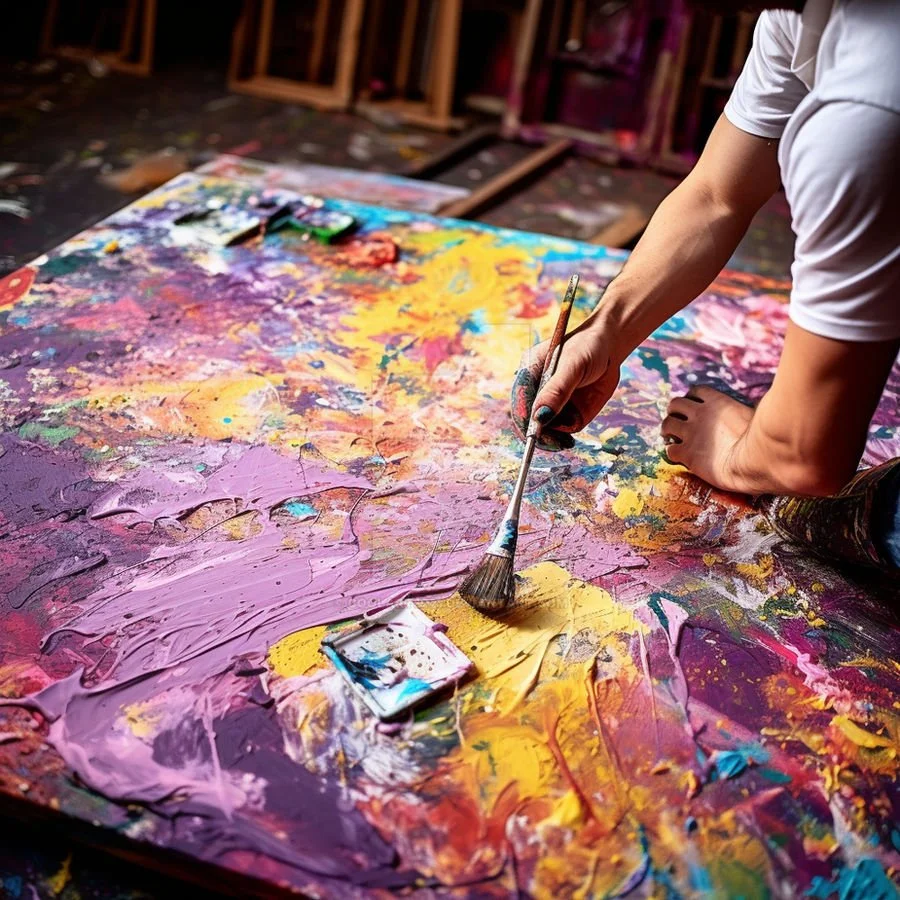
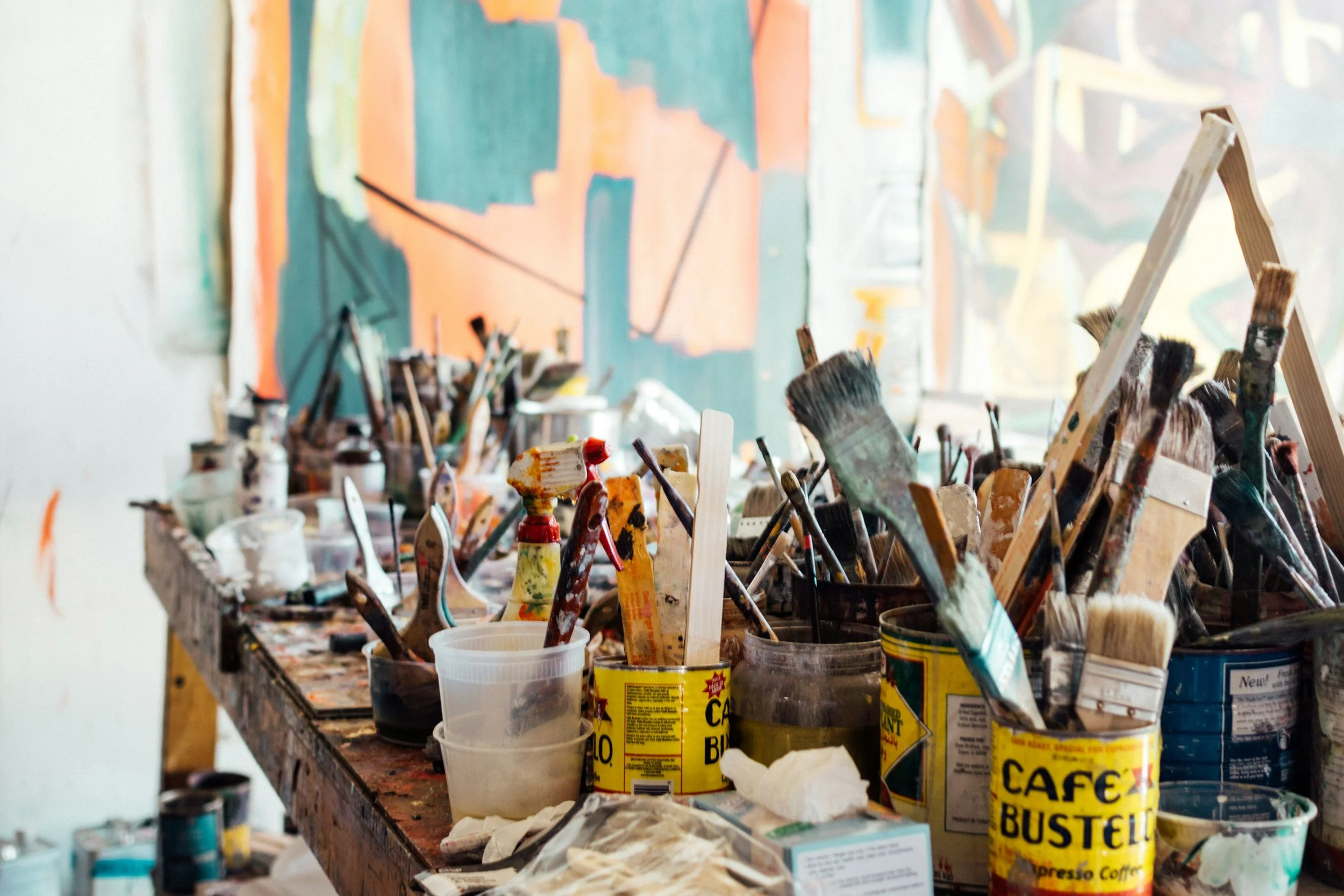
Members of Casey’s group can create art with a variety of materials, including recycled materials and art supplies. Participants are also welcome to bring their own materials, and experimentation is encouraged. Participants can use media ranging from collage to painting to fiber crafts, to any project of their choice. The group will process themes of resistance while they create.
Casey’s Vision
Casey intends for the group to be a source of community, as well as to provide opportunities for survival and hope: “Lots of people are feeling really isolated, and people are experiencing collective grief. I want people to remember that this is the way that we survive in a world that feels lonely and hopeless.”
In fact, group therapy has unique benefits over individual therapy that can be particularly useful for processing collective challenges. It’s a great way for people to form a social network that supports their well-being in difficult situations. It can also help normalize experiences, including experiences of despair or frustration, which can help people feel less alone in their reactions.
Accessibility is a core value of the space. The physical location is accessible via a ramp, and Casey welcomes the opportunity to accommodate diverse needs. She encourages anyone with questions to reach out.
Conclusion
Not only does art foster individual well-being, but it can also be a powerful agent of social change. For those who have been feeling the weight of the world and are searching for a neuro-affirming and inclusive community in which to explore art and activism, Casey invites you to reach out.
Frequently Asked Questions
1. Do I need to have any previous experience with art to join the therapy group?
Not at all. The group is open to everyone, regardless of their skill level or artistic background. As Casey notes, making mistakes and being messy are a vital part of the artistic process.
2. How does the group use tarot as a tool for reflection?
Each session begins with a prompt inspired by tarot cards. Casey utilizes the dual meanings of the cards to spark conversation and creative thought. These prompts help members reflect on personal growth and societal transformation while they work on their art.
3. What types of art can group members create?
Group members have a wide range of creative freedom in the types of art they can produce. While Casey provides various materials for the group to use, participants are also encouraged to follow their own artistic interests and intuition. The focus is on experimentation!
4. Do I need to have a neurodivergent identity or disability to attend?
No. This group offers an inclusive, neuro-affirming, and trauma-informed space for all. Come as you are!